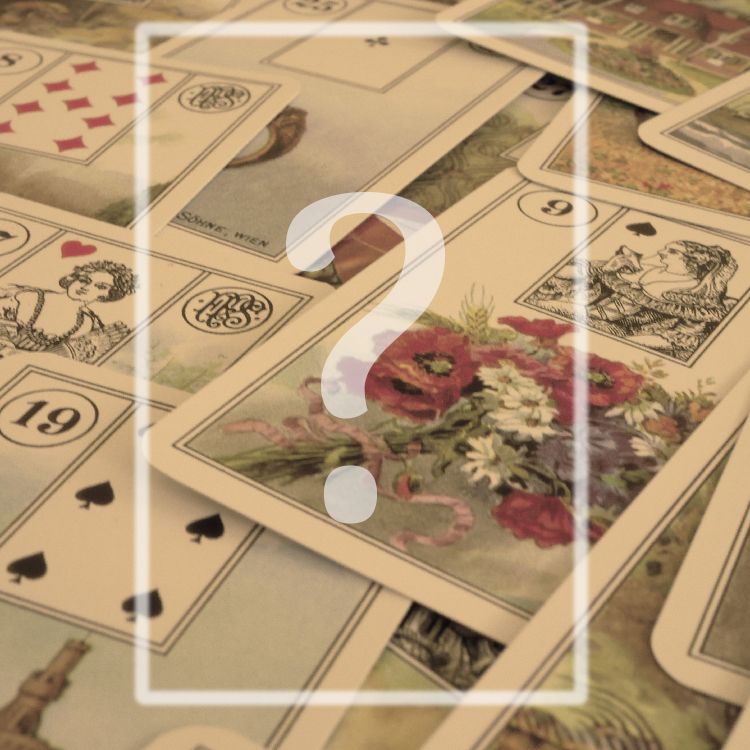
The Petit Lenormand is probably the most fascinating fortune-telling deck inherited from the 19th century. Inspired by the famous Mademoiselle Lenormand, this 36-card deck is known for its amazing ability to predict the future in a concrete and direct way. While other oracles can be vague, the Lenormand gives honest answers to daily life questions (love, work, money).
At first, it is tempting to see the Lenormand as a simpler system than the Tarot. With only 36 cards using clear symbols (a Dog, a Tree, a Key...), it seems easier to learn than the 78 complex cards of the Tarot. However, this simple look hides a clever mechanic. negotiation genius pdf
To master this deck, learning keywords by heart is not enough. The real power of the Petit Lenormand lies in its unique grammar: Many novice negotiators treat discussions as a zero-sum
Download the PDF eBook version (80 pages) of this complete guide for free. Included: the 36 classic cards + the 8 bonus cards from the Gilded Reverie + thematic interpretations. Most people see negotiation as a fixed pie (I win, you lose)
This guide was created to save you time. You will find below the full meaning of the 36 cards. For each card, I first give you the classic and traditional view (to have solid basics), followed by my modern interpretation from my personal practice, to help your readings flow better.
Many novice negotiators treat discussions as a zero-sum game, assuming that every dollar they win is a dollar the other party loses. This is known as distributive negotiation. Negotiation Genius highlights the immense power of integrative negotiation—creating value before claiming it.
Most people see negotiation as a fixed pie (I win, you lose). Negotiation Genius teaches you to before dividing it.
Please let me know if you need any changes.
The authors argue that "negotiation geniuses" are distinguished by their ability to:
Review a summary of essential strategies and insights for both novices and experts via
Actively work to improve your BATNA before negotiations begin to increase your bargaining power. 📌 Reservation Price
Avoid discussing items one by one. Packages allow you to see what the other side values most.
This is a cognitive bias where we automatically discount any proposal made by an adversary. For instance, if your boss offers a raise of 5%, you might reject it; but if a recruiter offers 5%, you accept it. The teaches a simple trick to overcome this: Frame the offer as coming from a neutral third party or a principled standard (e.g., market rate).
Unlocking Mastery: Why You Need to Read "Negotiation Genius"
The simplicity of the Lenormand cards can be deceptive. Following the classical interpretation of the cards, I think that beginners should still do some real learning of the Lenormand system to produce solid and consistent readings.
I hope that with the personal elements I propose for each of the cards, this progression will be facilitated. Feel free to comment and share your own vision of the cards.
Each card in the (Petit) Lenormand is a universe of symbols and meanings that intertwine with our own stories. Your personal interpretation enriches the fabric of our collective understanding. Which card resonates the most with you? Do you have a story or a personal interpretation that could shed new light on the mysteries of the (Petit) Lenormand?
I invite you to share your discoveries and stories in the comments below. Your contribution is valuable and can become a beacon for someone else on their path of discovery.
Many novice negotiators treat discussions as a zero-sum game, assuming that every dollar they win is a dollar the other party loses. This is known as distributive negotiation. Negotiation Genius highlights the immense power of integrative negotiation—creating value before claiming it.
Most people see negotiation as a fixed pie (I win, you lose). Negotiation Genius teaches you to before dividing it.
Please let me know if you need any changes.
The authors argue that "negotiation geniuses" are distinguished by their ability to:
Review a summary of essential strategies and insights for both novices and experts via
Actively work to improve your BATNA before negotiations begin to increase your bargaining power. 📌 Reservation Price
Avoid discussing items one by one. Packages allow you to see what the other side values most.
This is a cognitive bias where we automatically discount any proposal made by an adversary. For instance, if your boss offers a raise of 5%, you might reject it; but if a recruiter offers 5%, you accept it. The teaches a simple trick to overcome this: Frame the offer as coming from a neutral third party or a principled standard (e.g., market rate).
Unlocking Mastery: Why You Need to Read "Negotiation Genius"
Copyright © www.tarotquest.co