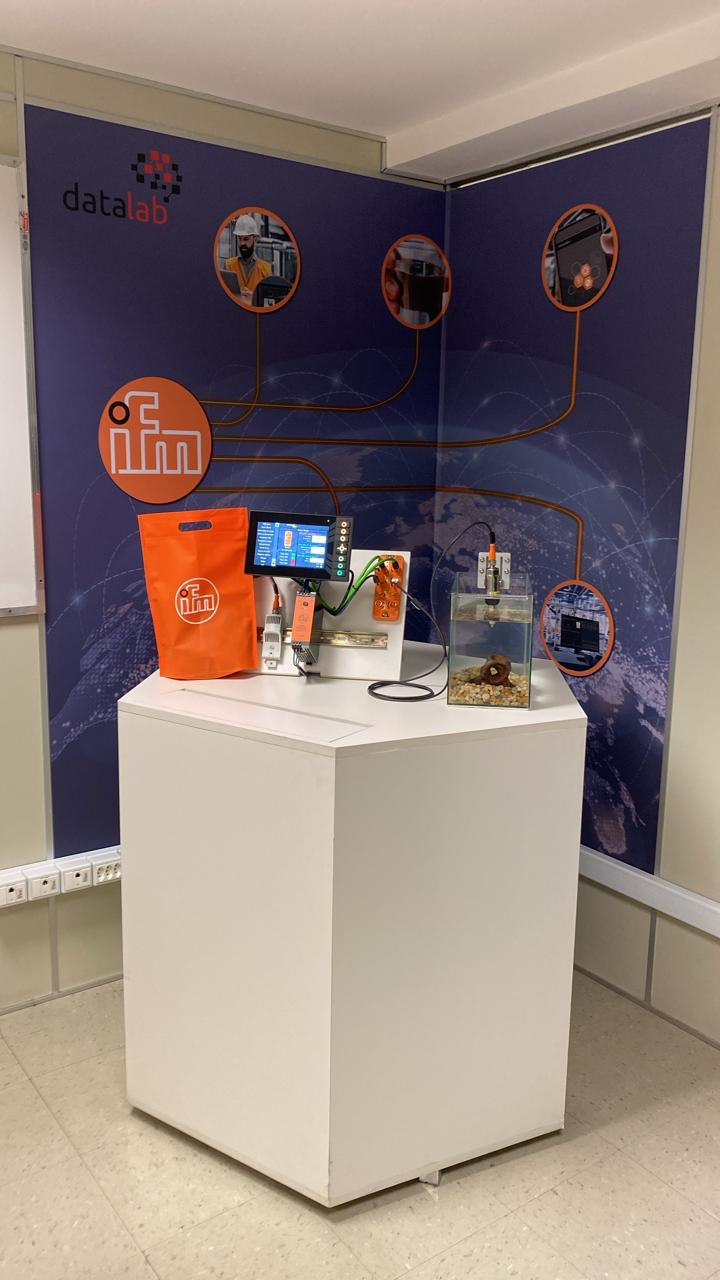
O laboratório está estruturado em duas grandes linhas de pesquisa, sendo essas Ciência de Dados e Métodos Analíticos. Na primeira linha é tratada de forma mais específica aplicação de técnicas de Inteligência Artificial, Aprendizagem de Máquina, Redes Neurais Artificiais, Mineração de Dados, Deep Learning e áreas afins. Na outra linha estão as pesquisas sobre métodos analíticos que contemplam Otimização, Meta-heurísticas, modelagem de processos e afins.
A grande maioria das pesquisas envolvem problemas reais e aplicados como dados acadêmicos, mídias sociais, Internet of Things (sensores), logística e outras. Trata também de métodos analíticos aplicados a problemas combinatórios complexos cuja solução, dependendo do porte do problema, pode se dar por métodos exatos ou por métodos heurísticos.
To use DLC Boot, you must create a bootable USB drive using the provided ISO file. Format the Drive:
Requires a 64-bit processor and modern UEFI firmware configurations.
: Includes portable scanners to clean infected systems from outside the main OS.
Creating your own rescue drive is a straightforward process, but it requires careful attention to avoid data loss. Follow this step-by-step guide carefully:
Once completed, you can use this drive to boot any computer. When to Use DLC Boot
Locate the DLCBoot.exe file, right-click it, and select "Run as administrator."
Includes tools for partition management (Partition Wizard, AOMEI Partition Assistant) and data recovery (Recuva, EaseUS Data Recovery).
DLC Boot 3.2 creates a portable that can be loaded from a USB drive or CD. This environment includes a category-based user interface to launch various diagnostic and repair utilities. Key Tool Categories
Tools do not require installation; they run directly from the USB drive.
To deploy and run the 32-bit environment, your hardware must meet these minimum thresholds: Minimum Requirement Intel Pentium 4, AMD Athlon, or newer (x86/x64) RAM 512 MB minimum (1 GB or more recommended) Storage (USB) 8 GB minimum capacity Firmware Mode Legacy BIOS or 32-bit UEFI Step-by-Step Installation Guide
Disclaimer: Some "cracking" or "activation" tools in this package are for educational purposes only. Always use software responsibly.
: To put this board into flash mode, you must hold the physical Boot button (connected to GPIO 0) while briefly pressing the Reset button.
Why does DLC Boot 32 appear on a computer that used to work fine? Here are the top five culprits:
Popularized in Vietnamese tech circles and developed by Trần Duy Linh, DLC Boot is essentially a "universal key" for breaking through the barriers of a dead computer. It creates an independent operating environment on a USB drive or DVD, completely separate from your computer's hard drive. DLC Boot allows you to start your PC, even if Windows is corrupted or missing, giving you the tools to bring it back to life.
To use DLC Boot, you must create a bootable USB drive using the provided ISO file. Format the Drive:
Requires a 64-bit processor and modern UEFI firmware configurations.
: Includes portable scanners to clean infected systems from outside the main OS.
Creating your own rescue drive is a straightforward process, but it requires careful attention to avoid data loss. Follow this step-by-step guide carefully:
Once completed, you can use this drive to boot any computer. When to Use DLC Boot
Locate the DLCBoot.exe file, right-click it, and select "Run as administrator."
Includes tools for partition management (Partition Wizard, AOMEI Partition Assistant) and data recovery (Recuva, EaseUS Data Recovery).
DLC Boot 3.2 creates a portable that can be loaded from a USB drive or CD. This environment includes a category-based user interface to launch various diagnostic and repair utilities. Key Tool Categories
Tools do not require installation; they run directly from the USB drive.
To deploy and run the 32-bit environment, your hardware must meet these minimum thresholds: Minimum Requirement Intel Pentium 4, AMD Athlon, or newer (x86/x64) RAM 512 MB minimum (1 GB or more recommended) Storage (USB) 8 GB minimum capacity Firmware Mode Legacy BIOS or 32-bit UEFI Step-by-Step Installation Guide
Disclaimer: Some "cracking" or "activation" tools in this package are for educational purposes only. Always use software responsibly.
: To put this board into flash mode, you must hold the physical Boot button (connected to GPIO 0) while briefly pressing the Reset button.
Why does DLC Boot 32 appear on a computer that used to work fine? Here are the top five culprits:
Popularized in Vietnamese tech circles and developed by Trần Duy Linh, DLC Boot is essentially a "universal key" for breaking through the barriers of a dead computer. It creates an independent operating environment on a USB drive or DVD, completely separate from your computer's hard drive. DLC Boot allows you to start your PC, even if Windows is corrupted or missing, giving you the tools to bring it back to life.
+55 11 98456-3218
Prof. Anderson Borba
(11) 2114-8301
FCI — solicite ramal 7372