Max The Elf Apk Information
| App Name | Max The Elf |
| Version | 5.03 |
| File Size | 550 MB |
| Package ID | com.Catfort.MaxTheElf |
| Category | Action |
| Last Updated | October 24, 2024 |
Embark on a Magical Journey Full of Wonder, Mischief, and Legendary Adventures!
Download Now| App Name | Max The Elf |
| Version | 5.03 |
| File Size | 550 MB |
| Package ID | com.Catfort.MaxTheElf |
| Category | Action |
| Last Updated | October 24, 2024 |
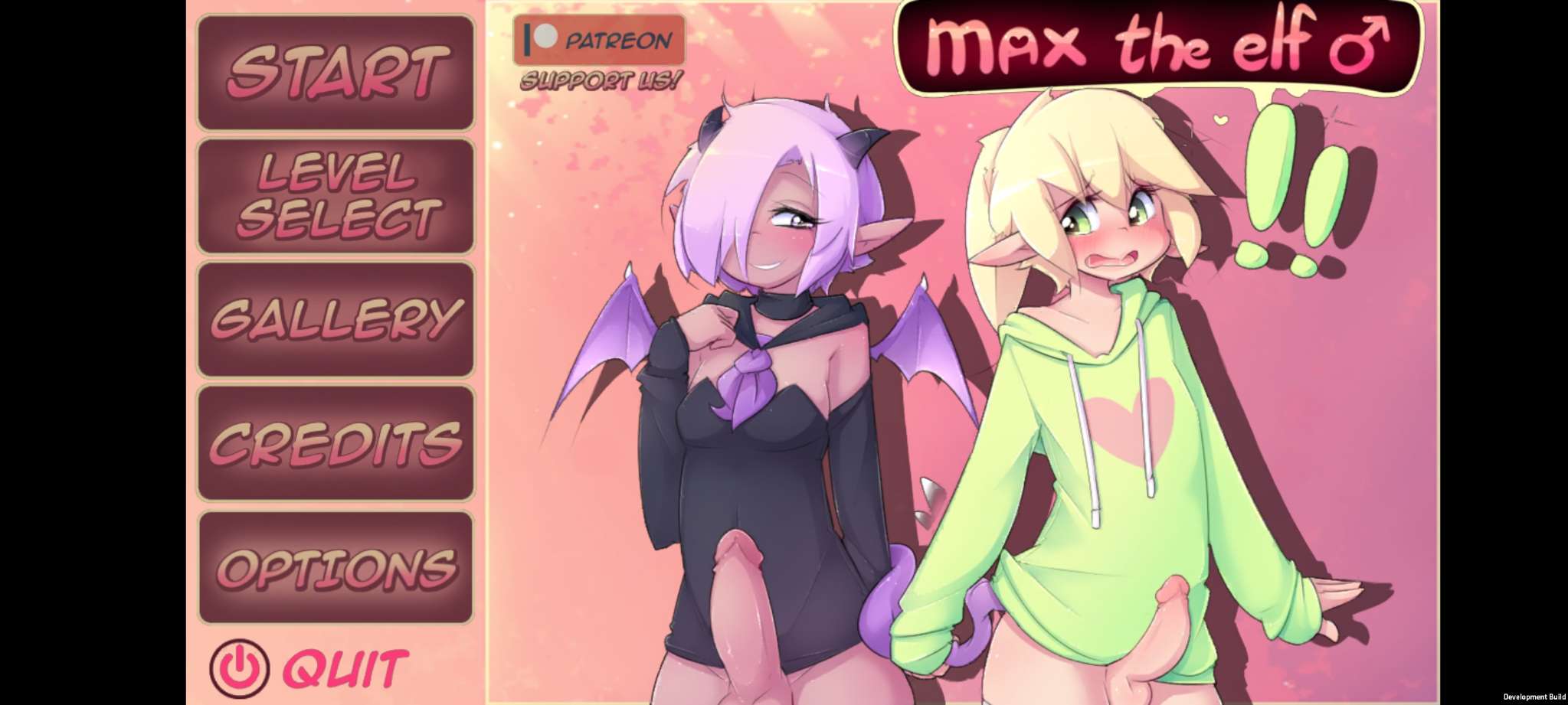
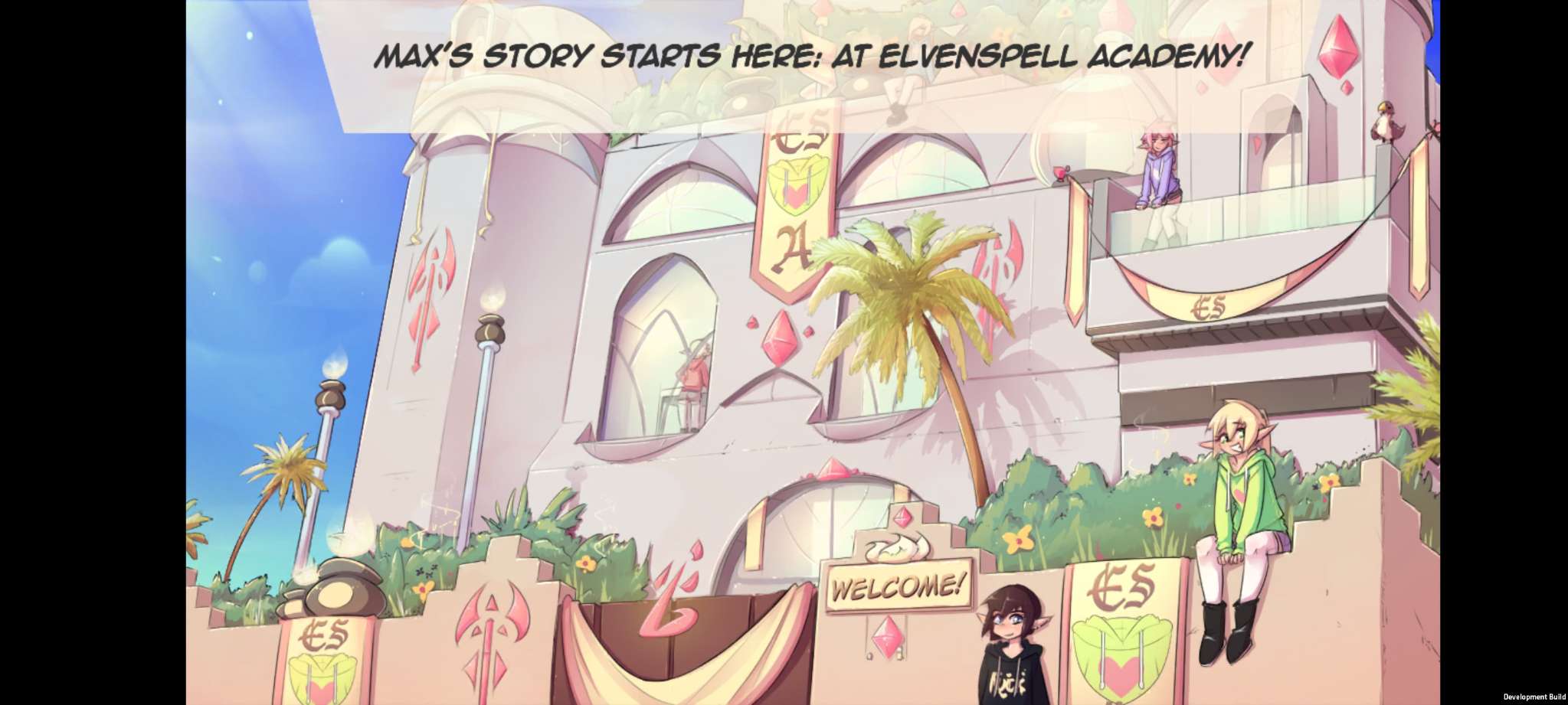
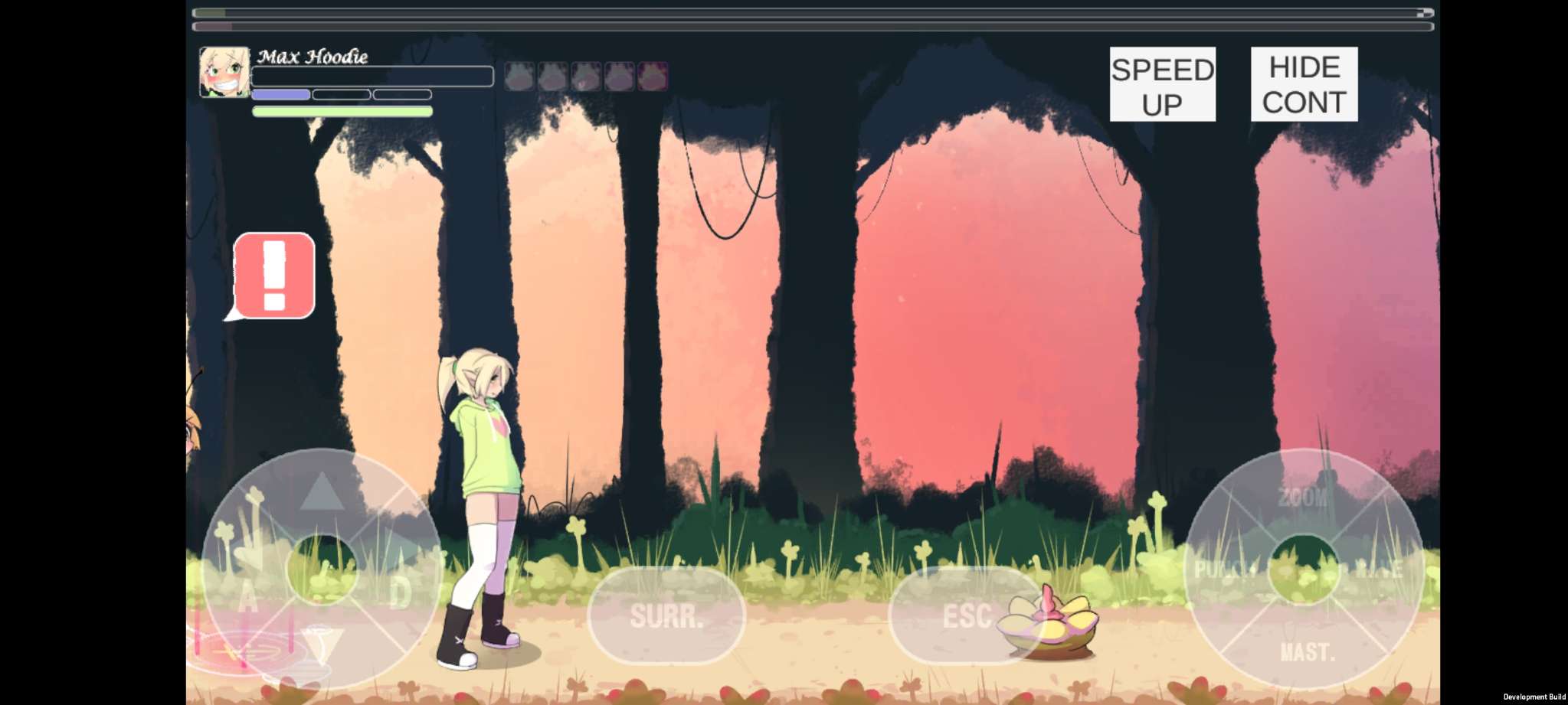
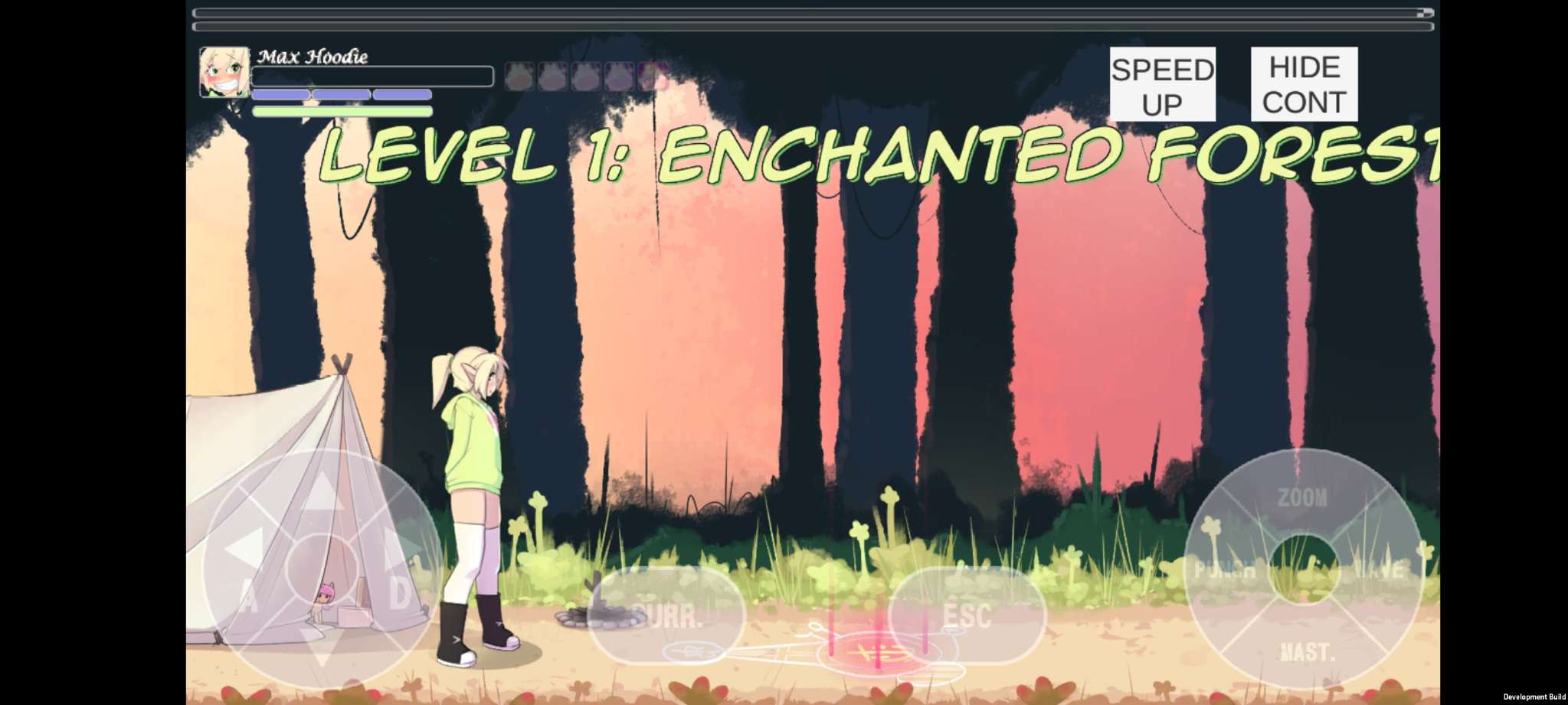
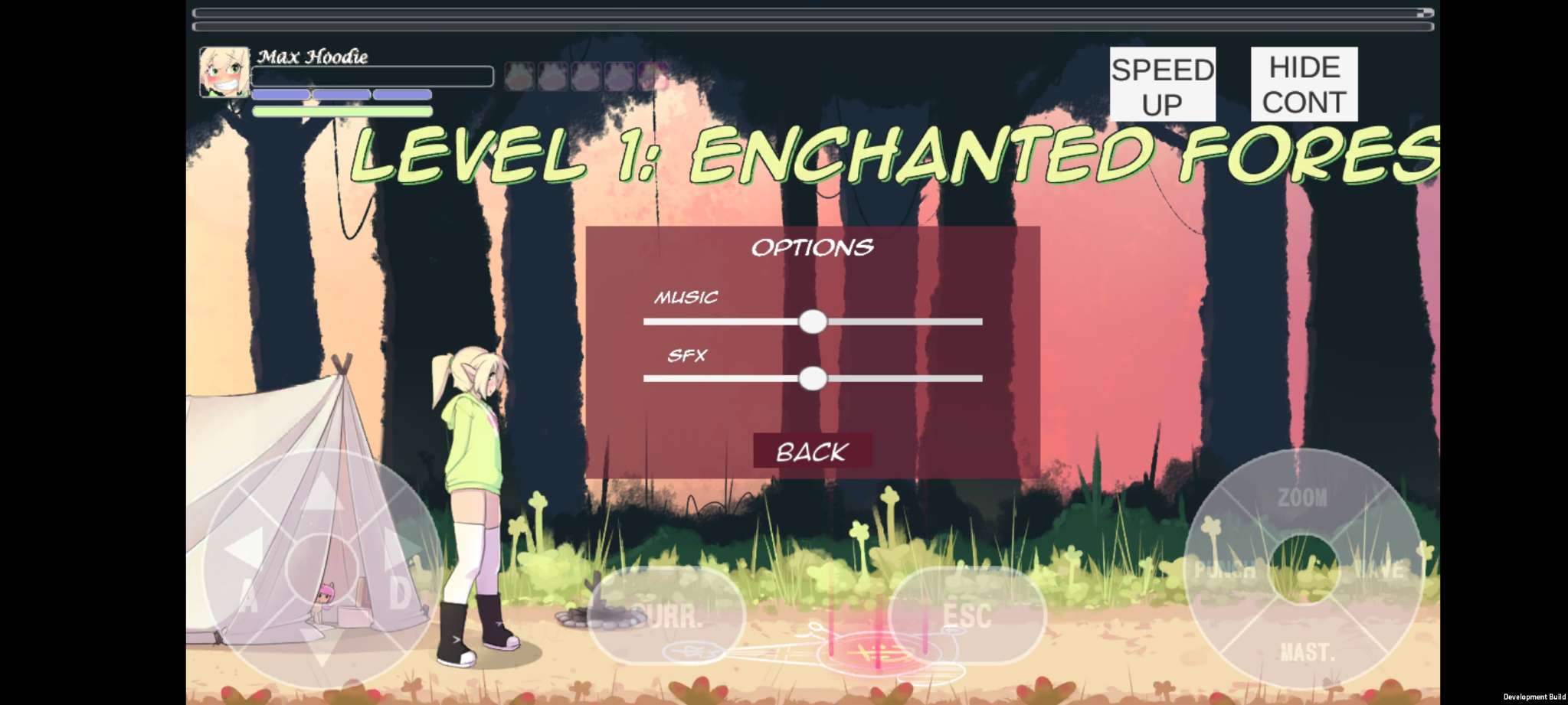
Step into the magical world of Elvoria, where you guide Max on thrilling adventures. Dive into quests, tackle challenges, and meet intriguing characters along the way.
Test your wits and reflexes with clever puzzles and traps. Each challenge keeps the game exciting and unpredictable. mallu actress big boobs exclusive
Choose from elf warriors with distinct abilities. Whether you prefer speed, magic, or raw strength, there’s a playstyle to match your approach. Customize abilities to fit your strategy. Films like Varavelpu (1989) highlighted the tragic ironies
Explore every corner to uncover hidden treasures. Use these findings to upgrade Max’s skills. It will unlock powerful new abilities and improve the ones you already have. Political Consciousness and Reform The 1980s are widely
Experience levels that change as you progress. New environments and tougher challenges keep the journey engaging.
Take a break from the main story with mini-games, collectibles, and side quests. These offer extra rewards and enrich the overall experience.
Films like Varavelpu (1989) highlighted the tragic ironies faced by returning expatriates trying to start businesses amidst aggressive trade unionism. Pathemari (2015) offered a poignant, heartbreaking look at the sacrifices of the first generation of migrants who built modern Kerala at the cost of their own youth and family life. Cinema became the medium through which the diaspora processed their displacement, nostalgia, and dual identity. Political Consciousness and Reform
The 1980s are widely regarded as the of Malayalam cinema. During this era, directors like Adoor Gopalakrishnan , Padmarajan , and Bharathan pioneered "middle-stream cinema"—a blend of artistic depth and mainstream appeal.
Kerala’s religious landscape is a syncretic mosaic. Malayalam cinema has oscillated between respectful representation and iconoclastic critique.
Filmmakers began using Kerala’s geography—its backwaters, paddy fields, and traditional architecture—not just as a backdrop, but as an active element that defined the characters' identities.
Kerala’s culture presents a fascinating dichotomy—high female literacy and progressive social indicators coexist with deep-seated domestic patriarchy. For decades, Malayalam cinema too suffered from casual misogyny and the glorification of alpha-male saviour archetypes.
Kerala is globally recognized for its high literacy rates, progressive social reforms, and politically active populace. Malayalam cinema directly mirrors this heightened socio-political consciousness.
The lush landscape of Kerala—its monsoon rains, serene backwaters, dense Western Ghats, and vibrant green coconut groves—is not merely a backdrop in Malayalam films; it acts as a living character.
In an era of pan-Indian "masala" films, Malayalam cinema remains stubbornly . It succeeds not despite its deep cultural roots, but because of them. To watch a Malayalam film is to understand the Kerala tea-shop—the place where politics, gossip, poetry, and reality blend into a single, compelling narrative.
The lush landscape of Kerala—its serene backwaters, misty Western Ghats, and torrential monsoons—is not just a backdrop but an active character in its cinema. The visual grammar of Mollywood is deeply tied to this geography.